
Fiji National Budget 2026 - 2027: Progress and Persistent Gaps in Social Investment
The 2026 - 2027 national budget marks a year of ambitious allocations across Fiji’s key ministries, signaling a government focus on health, education, infrastructure, and social protection. Yet, while the numbers reflect progress, the lived realities of communities especially women, youth, and those in rural and maritime areas reveal ongoing gaps that call for deeper, inclusive planning.
Health: Expanding Access, But Equity Still Uneven
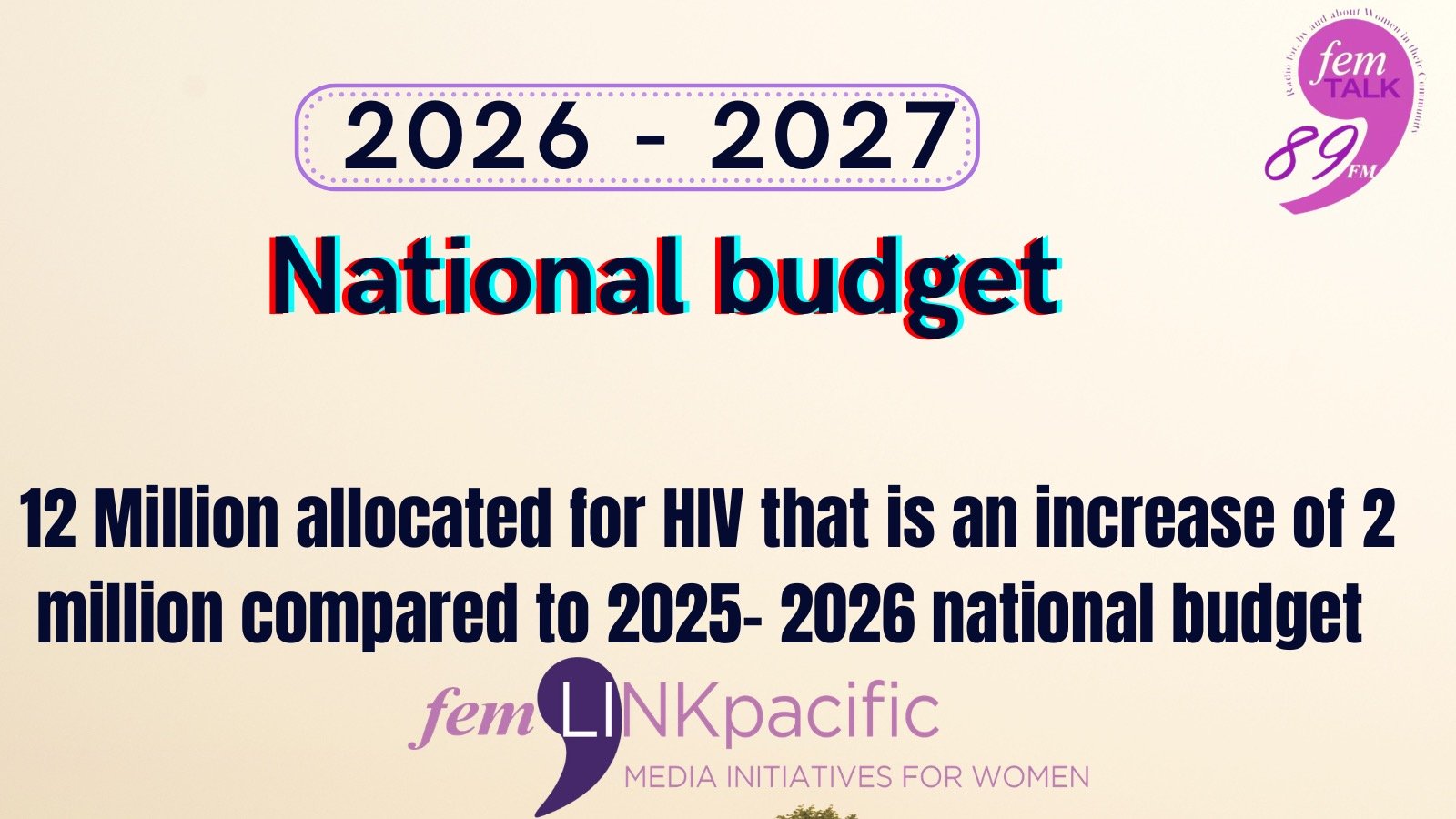
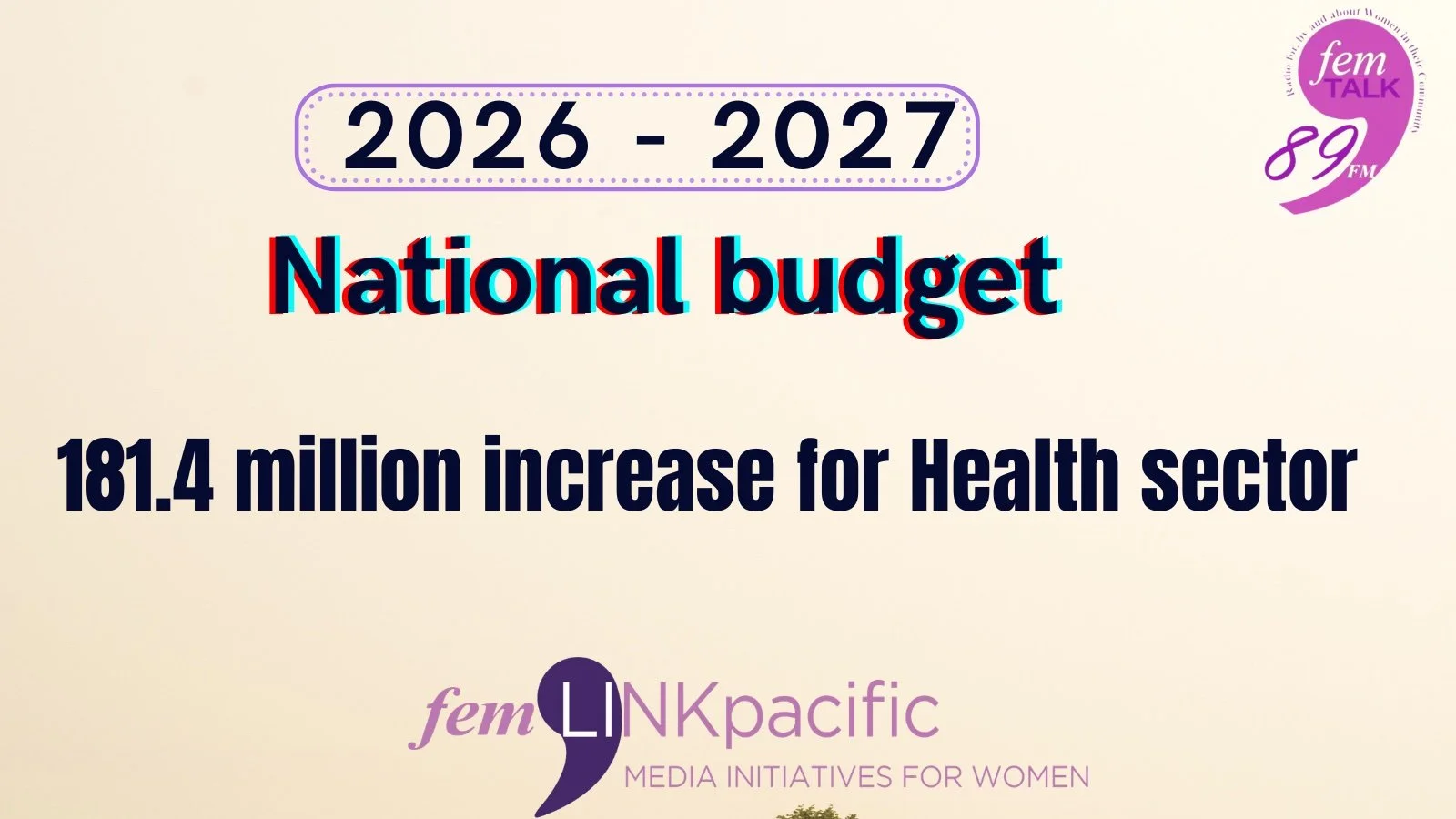
The health sector receives a $181.4 million increase, with $12 million dedicated to HIV programs, a $2 million rise from last year. This expansion strengthens Fiji’s public health response and infrastructure. However, rural health centers continue to face shortages of trained personnel and essential supplies. The budget’s focus on facilities must be matched with investment in community-based health education and mobile outreach especially for women and youth who remain underserved in remote areas.
Women, Children, and Social Protection: Incremental Gains
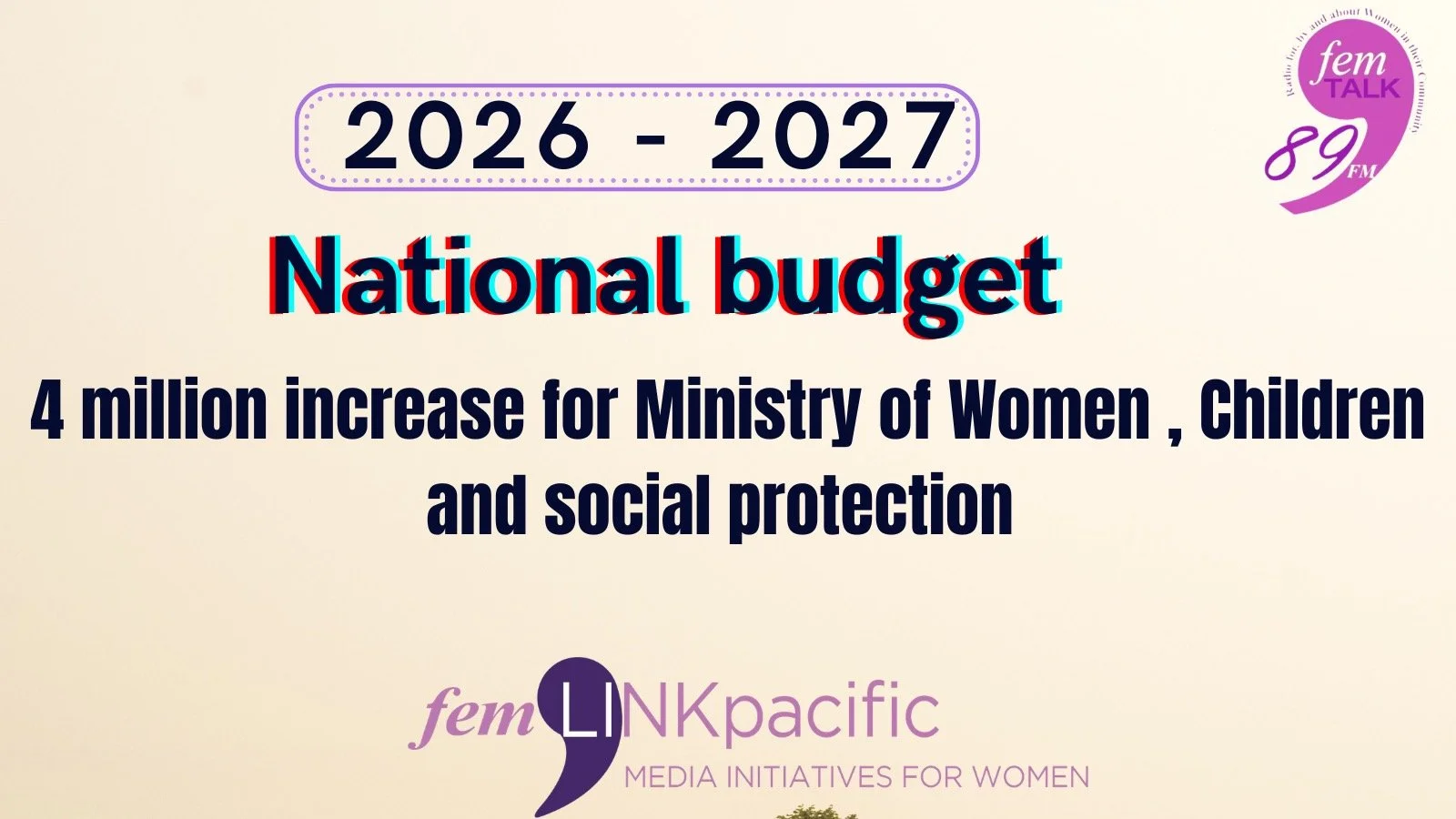
A $4 million increase for the Ministry of Women, Children, and Social Protection is a welcome step toward improving welfare programs and gender equality initiatives. Yet, the allocation remains modest compared to the scale of need. Grassroots women’s networks, including those supported by femLINKpacific, continue to advocate for stronger funding for gender-responsive budgeting, disability inclusion, and protection services that reach beyond urban centers.
Education: Building Foundations, But Digital Divide Persists
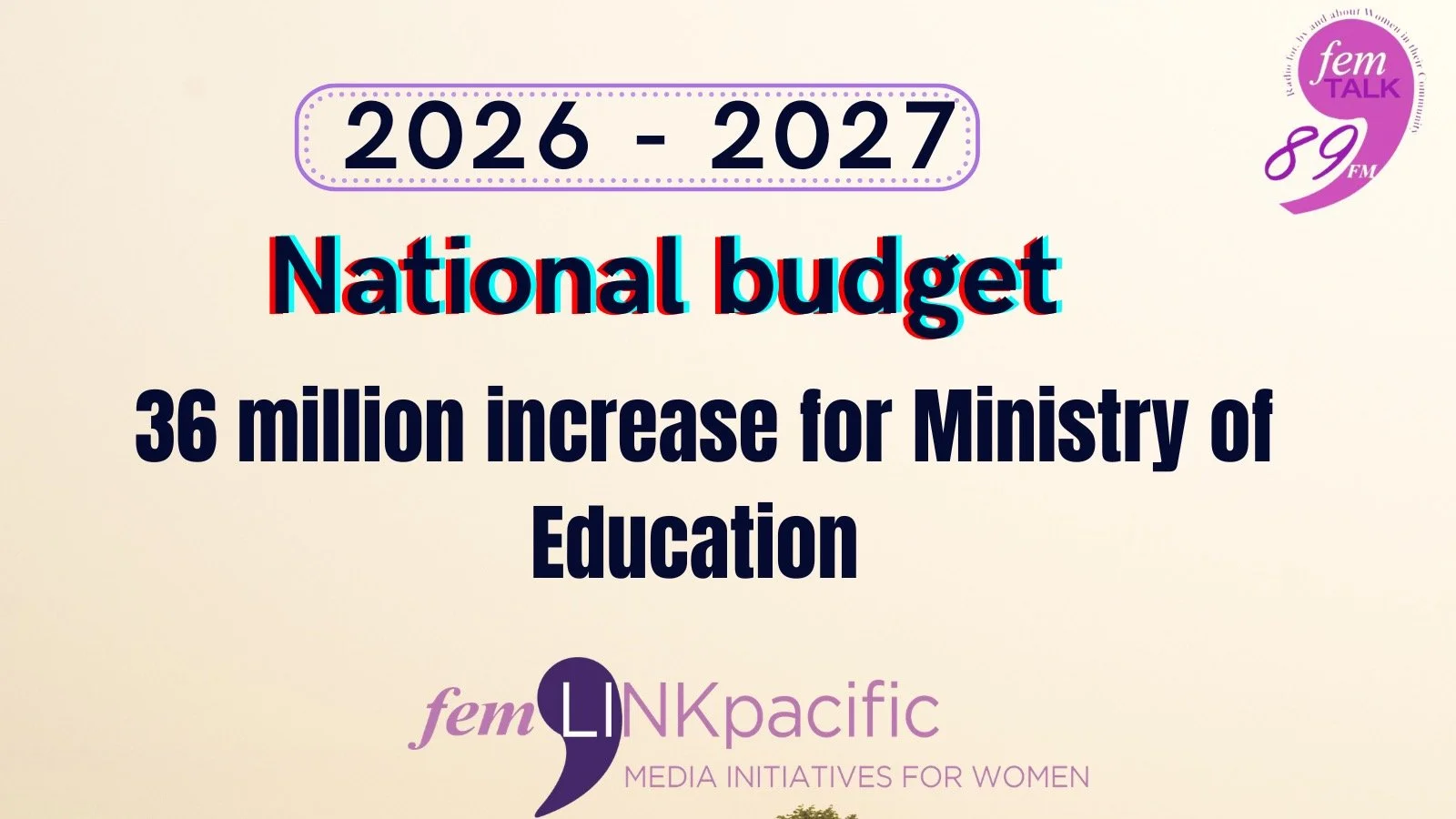
The $36 million increase for education supports teacher development and school infrastructure. However, the digital divide remains a pressing concern. Many rural schools lack reliable internet access and digital learning tools, limiting opportunities for students to engage with modern education platforms. Without targeted investment in digital literacy and connectivity, these gaps risk widening.
Agriculture and Rural Development: Strengthening Livelihoods
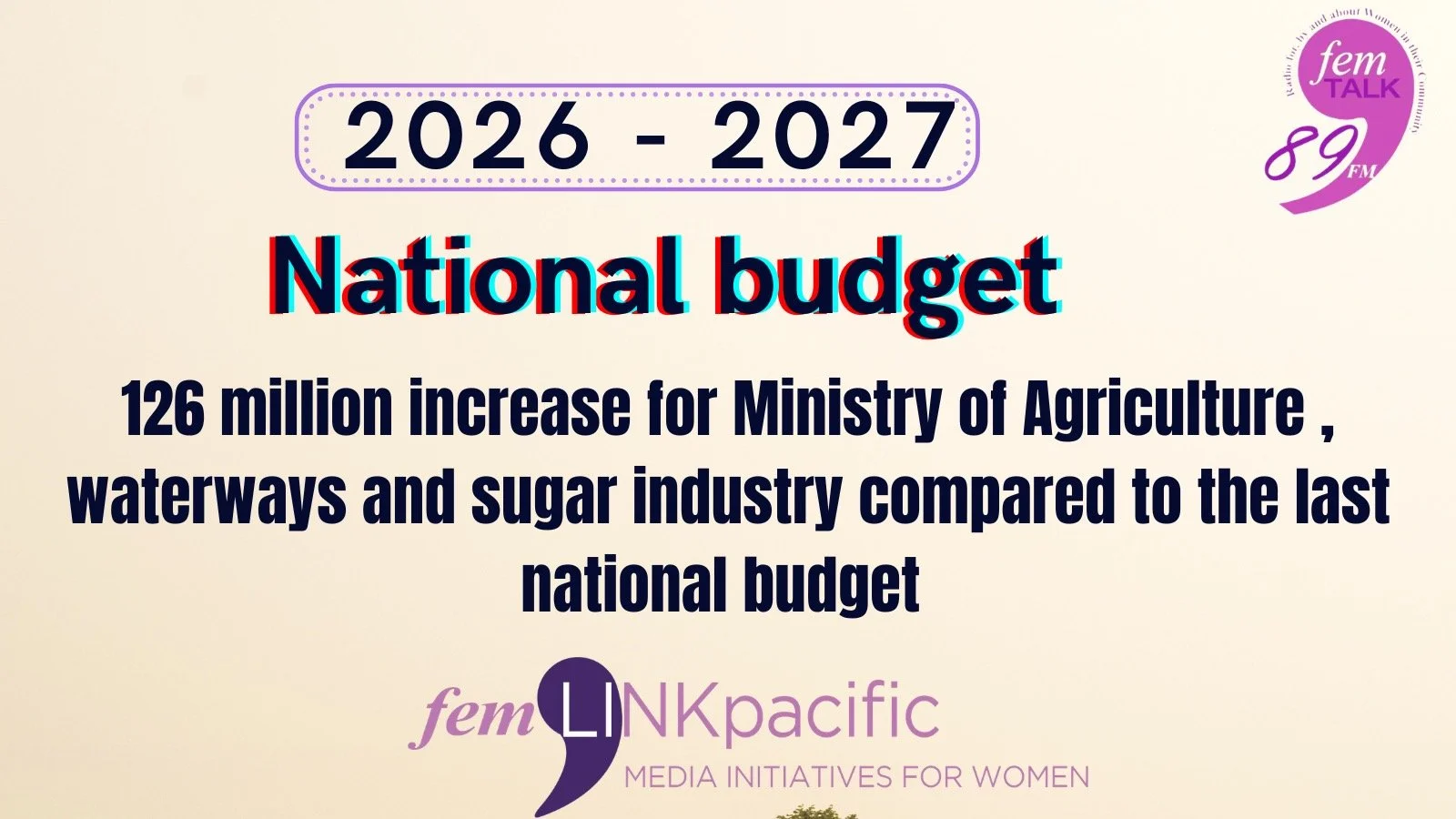
The Ministry of Agriculture, Waterways, and Sugar Industry sees a $126 million increase, aimed at revitalizing farming and water management. This investment supports food security and climate resilience yet smallholder farmers, particularly women, still face barriers to accessing credit, technology, and training. The budget could go further by integrating gender-sensitive agricultural programs and community-led climate adaptation initiatives.
Infrastructure and Climate Resilience: Major Investment, Local Impact Unclear
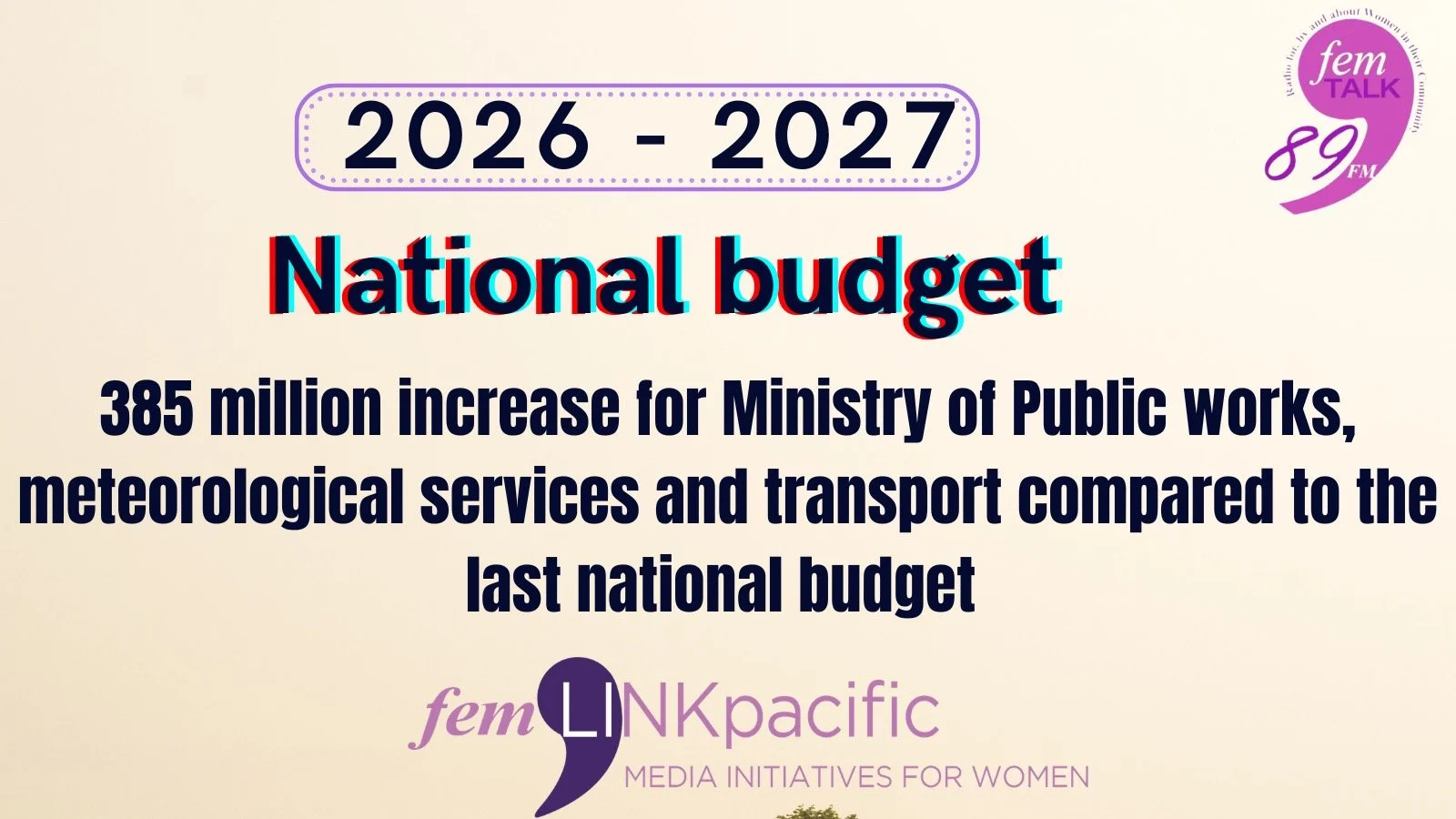
The largest increase, $385 million, goes to the Ministry of Public Works, Meteorological Services, and Transport. This funding promises improved roads, bridges, and transport systems, alongside climate resilience projects. However, the challenge remains ensuring these investments translate into tangible benefits for remote communities. Local consultation and participatory planning are essential to ensure infrastructure development aligns with community priorities and environmental sustainability.
While the 2026–2027 budget demonstrates progress in national planning, it also exposes persistent gaps in gender equity, rural access, and community participation. For Fiji’s development to be truly inclusive, policy implementation must center the voices of women, youth, and marginalized groups ensuring that every dollar spent strengthens the foundation of a more just, resilient, and connected Pacific.