
World Food Safety Day 2026
Keeping My Family and Community Healthy Through Safe Food
By a Single Mother in a Rural Community
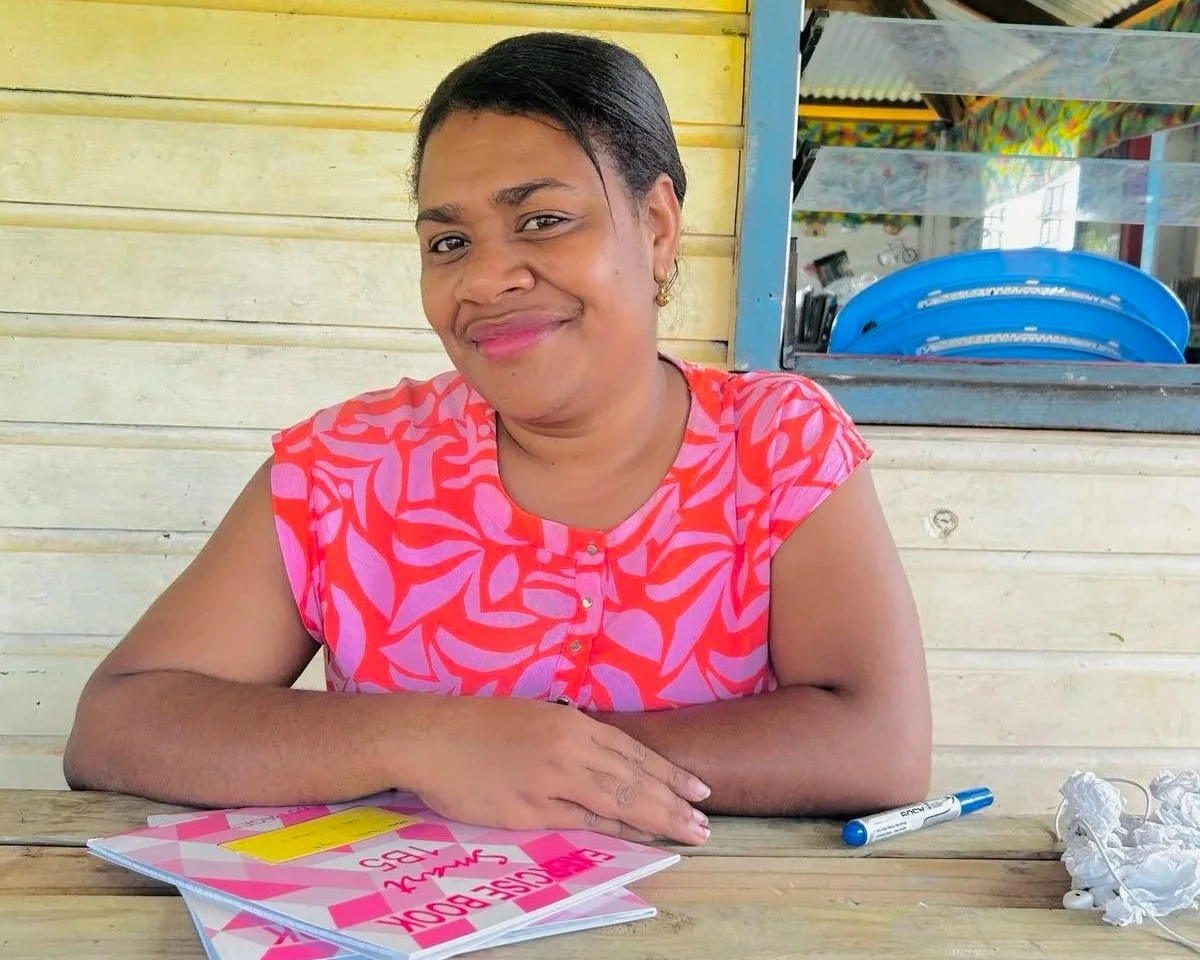
Litia Likuvasakula
“Rural women have a powerful role to play in improving food safety within our communities. By sharing knowledge about hygiene, safe food handling, and proper storage methods, we can help prevent illness.”
Every day, as a single mother living in a rural village, one of my biggest responsibilities is making sure the food I prepare for my children and the food I sell to support my family is safe to eat. Food is more than nourishment; it is health, livelihood, and security.
This World Food Safety Day, I reflect on the importance of food safety, and the role rural women play in protecting their families and communities. Ensuring food safety begins with simple but important practices. Before preparing meals, I wash my hands thoroughly with soap and clean water. I make sure cooking utensils, cutting boards, and food containers are properly cleaned. When cooking meat, fish, or vegetables, I ensure they are cooked thoroughly to kill harmful germs. Leftover food is covered immediately to protect it from flies, dust, and other contaminants. As someone who also sells food occasionally, I understand that customers trust me to provide meals that are safe. I use fresh ingredients whenever possible and avoid selling food that has been left out for too long, especially during hot weather. Clean preparation and proper storage are essential to maintaining that trust.
However, food safety is not always easy in rural communities. One of the biggest challenges we face is access to clean water. During dry seasons or after heavy rains, water sources can become contaminated, making it difficult to wash food and utensils properly. Another challenge is the lack of reliable refrigeration. Without electricity or cooling facilities, food can spoil quickly, particularly meat, fish, and dairy products. Flies and pests are also common problems in the village. They can easily contaminate food if it is left uncovered. Poor waste disposal systems and limited sanitation facilities can further increase the risk of foodborne illnesses. These challenges require constant vigilance and creative solutions. Fortunately, many traditional food preservation and preparation methods have helped our communities keep food safe for generations. Drying fish, fruits, and vegetables in the sun reduces moisture and helps prevent spoilage. Smoking meat and fish extends their shelf life while adding flavor. Fermentation of certain foods can also improve preservation and safety. We often use woven baskets, covered containers, and elevated storage structures to protect food from pests and contamination.
I have personally witnessed the effects of unsafe food. There have been times when family members or neighbors suffered from stomach illnesses after eating spoiled or contaminated food. Children are especially vulnerable. When a child becomes sick from food poisoning, it can lead to dehydration, missed school days, and costly medical expenses. These experiences remind us that food safety is not something we can take for granted.
Rural women have a powerful role to play in improving food safety within our communities. By sharing knowledge about hygiene, safe food handling, and proper storage methods, we can help prevent illness. Women's groups can organize community clean-up campaigns, advocate for better water and sanitation facilities, and support one another in adopting safe food practices. Training programs on food safety can empower women who sell food in local markets.
Communities can also establish shared storage facilities and encourage the use of clean water sources. When women work together, they become agents of change who protect the health of entire villages. This World Food Safety Day, I encourage everyone to remember that safe food saves lives. Whether we are preparing meals for our families or selling food to our neighbors, every step we take toward food safety contributes to a healthier community. As rural women, we may face many challenges, but by working together and practicing safe food handling every day, we can ensure that the food we produce, prepare, and sell nourishes rather than harms those we care about most.