
There is Power in Unity
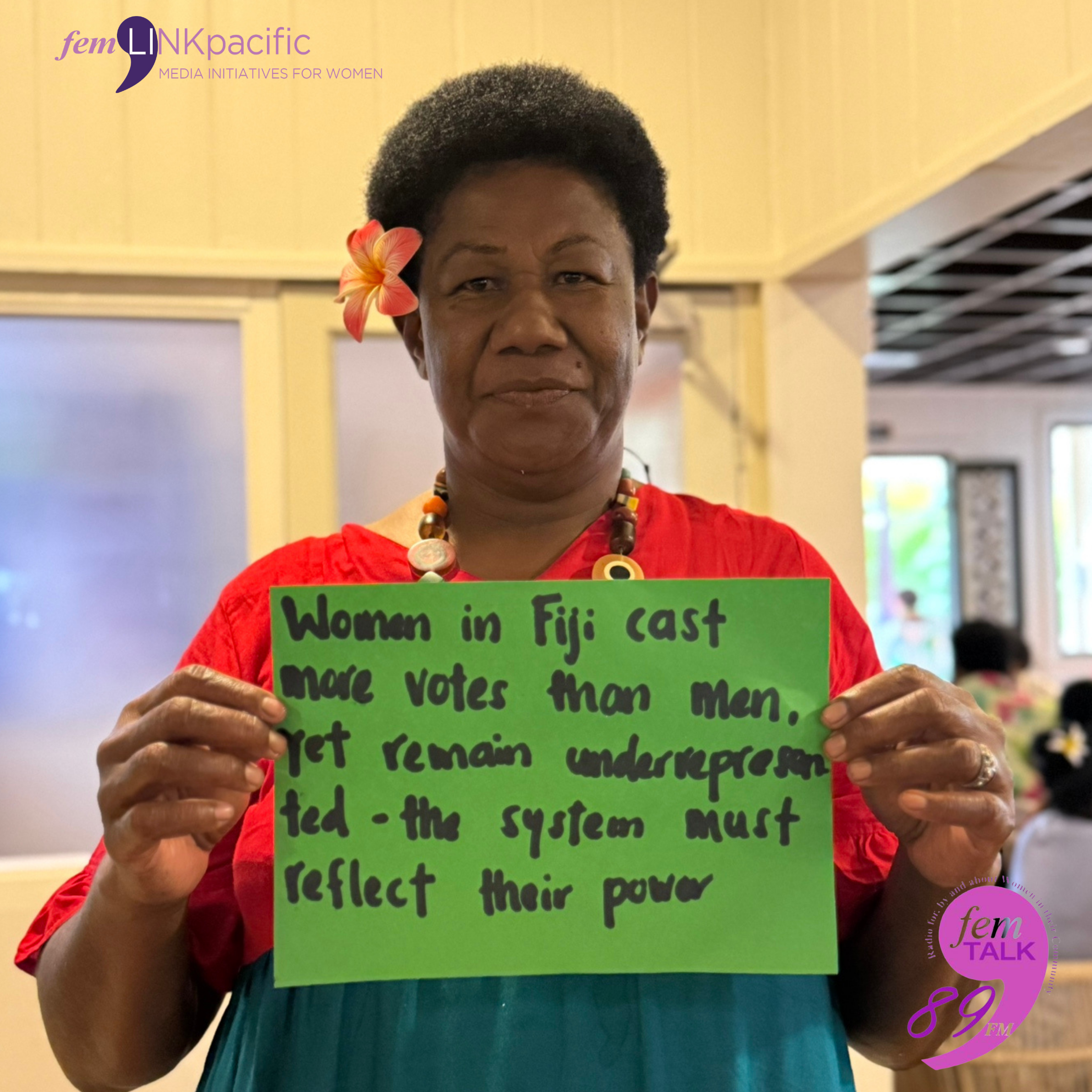
Women in Fiji cast more votes than men, yet remain underrepresented. This reality highlights a profound imbalance in the nation’s democratic system. Women are not only active participants in shaping the future through the ballot box, but they also demonstrate a commitment to civic duty that surpasses their male counterparts. Despite this, their presence in leadership and decision-making spaces remains disproportionately small, leaving a gap between the power they exercise as voters and the influence they hold as leaders.
The system must reflect their power. Representation is not a favor granted, nor is it symbolic - it is a fundamental right. When women’s voices are excluded from the halls of governance, policies risk overlooking the lived experiences of half the population. True democracy demands that the structures of power mirror the diversity of the people they serve. Women’s leadership brings perspectives rooted in community, resilience, and inclusivity, qualities that are essential for building a society that thrives on fairness and justice.
Democracy cannot thrive while half its voice is muted. To honor the votes cast and the trust placed in the democratic process, Fiji must ensure that women’s political strength translates into equal seats at the table. This is not only about numbers - it is about reshaping the narrative of power to include those who have long been sidelined. By amplifying women’s representation, the nation moves closer to a democracy that is whole, vibrant, and truly reflective of its people.