COVID-19 and Community Media: Journalism in a pandemic
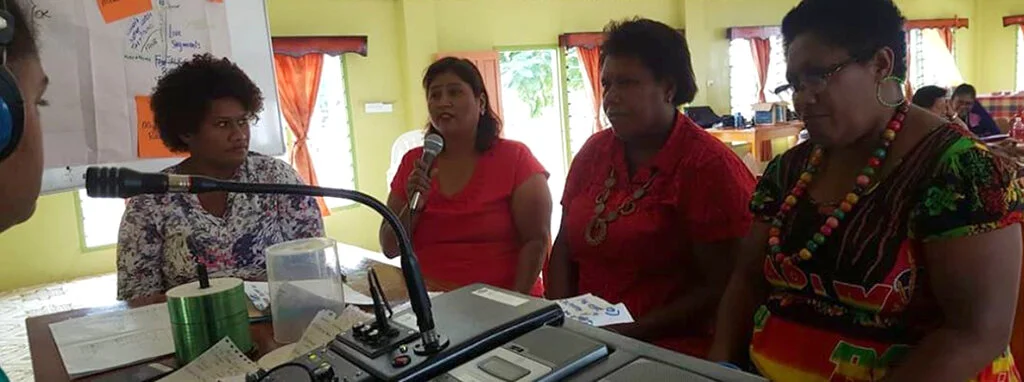
“As we experience COVID-19 lockdowns and as the world comes to a pause, the media keeps us connected to our communities, to our loved ones and to the world,” says Losana Derenalagi, femLINKpacific’s Lautoka-based convenor.
As restrictions are put in place to curb the spread of COVID-19, the flow of information from a free and independent media is needed now more than ever.
“The COVID-19 crisis highlights even more the significant role of all forms of media – including community and citizen media – in the frontline battle against the virus,” says femLINK’s Executive Director, Susan Grey.
Bonita Qio, a vocal member of femLINK’s Rural Women Leaders Community Media Network, says that accurate and timely information is needed in order to ensure the safety of vulnerable communities.
“We need to know what this is (COVID-19) and what to do. The support that we will really need in a time like this is access to information and that is very important for us because information really makes a person prepare better.”
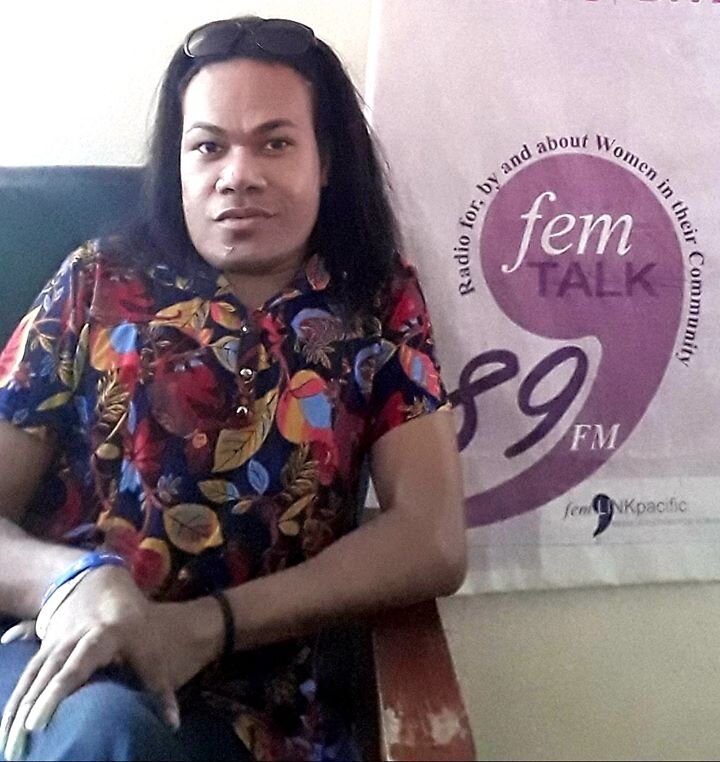
She says that when it comes to understanding safety during COVID-19 restrictions, more information is needed to end the stigma and discrimination of LGBT communities.
“There was this stigma that was associated with this virus because the first reported case, the first patient that had got the virus was a member of the LGBT community,” says Qio.
“We saw people screaming at us, telling us that we are the reason why the virus is here and this kind of social stigma really dampens your spirit because it doesn’t create this environment of cooperation.”
Reliable journalism – influenced and directed by media ethics – seeks to ensure the public remains informed to counter rumours and “fake news”. But it must also seek out accountability: in that while restrictions are in place, they must not be used to curtail freedom of the press in any way.
The press must remain free to report on the on-going pandemic and strategies to respond to COVID-19. But it must also take measures to ensure that communities are not harmed and when stories are told, the voices of the vulnerable and the showcase of their leadership must also be evident.
Guided by Section J (Women and the Media) of the Beijing Platform for Action along with the United Nations Security Council Resolution 1325 on Women, Peace and Security, femLINK’s team of community media workers are using radio to amplify the voices and recommendations of rural women leaders.
It's evident that access to reliable and efficient media resources can create healthier and safer communities, reduce vulnerabilities and help build the resilience communities need to navigate this pandemic and emerge better prepared in the future.
“Section J is about addressing gender inequality in the media – in and outside the newsroom,” says Sulueti Waqa femLINK’s Northern Network team leader.
Waqa adds that too often, women are portrayed as either victims of violence or only as recipients of assistance.
“They are not consulted when it comes to development or when it comes to making decisions that affect them,” she says.
“As a community media worker, it is a privilege that I cherish because I am able to bridge gender inequality gap by amplifying and advocating for the voices of women of all diversities in our communities,” shares Derenalagi, who manages close to 50 network members in the Nadi-Lautoka districts.
Waqa concludes: “This is why community media exists: so women can utilize community media as a platform to voice their concerns and share recommendations. It’s about amplifying these women as leaders.”

COVID-19 RURAL WOMEN VOICES...INTERVIEW, AMPLIFY RESPOND...
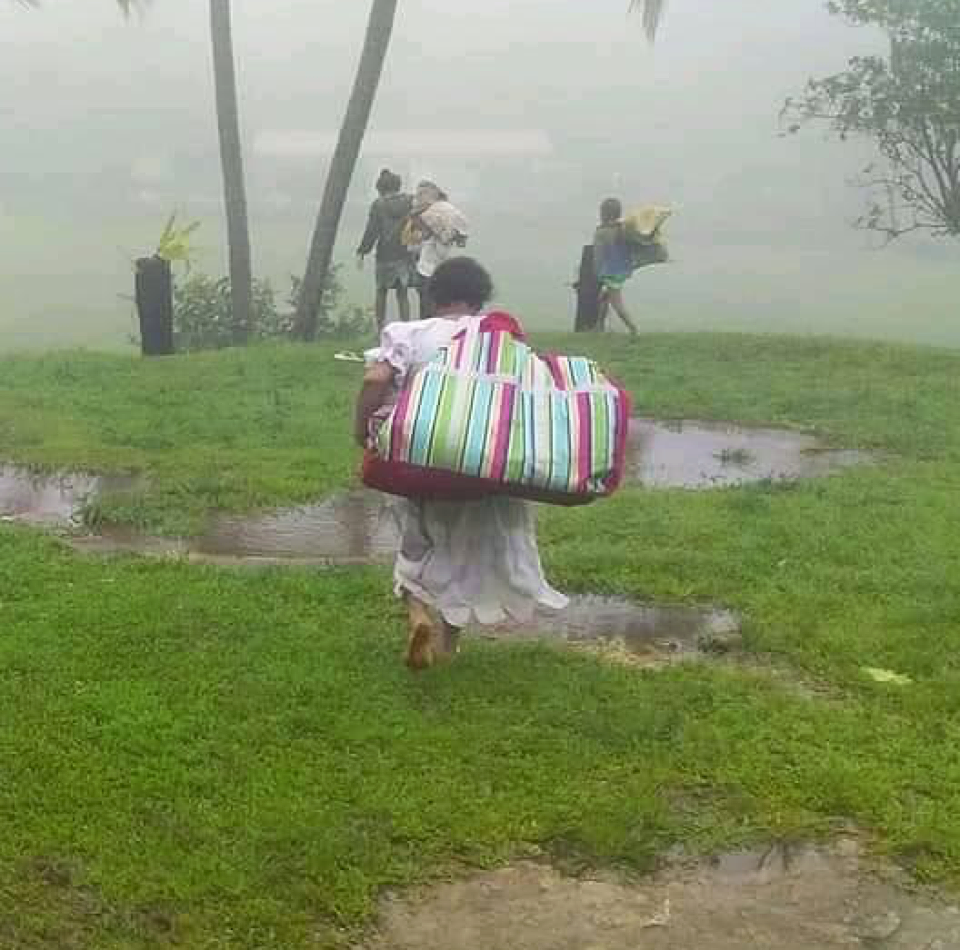
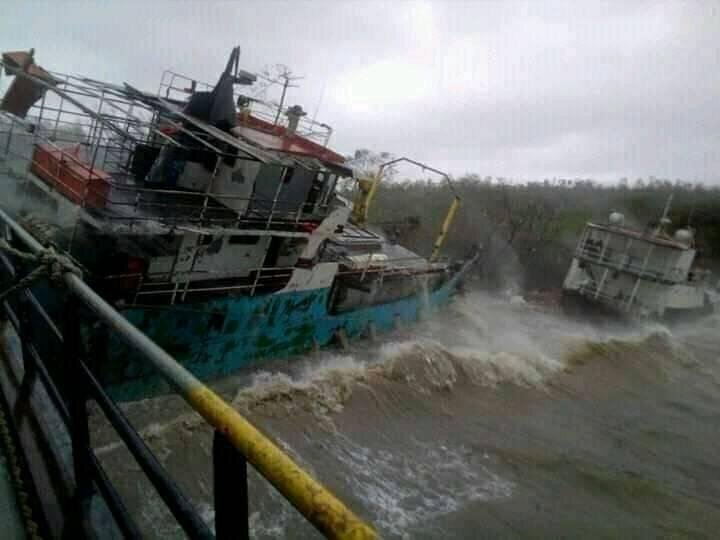
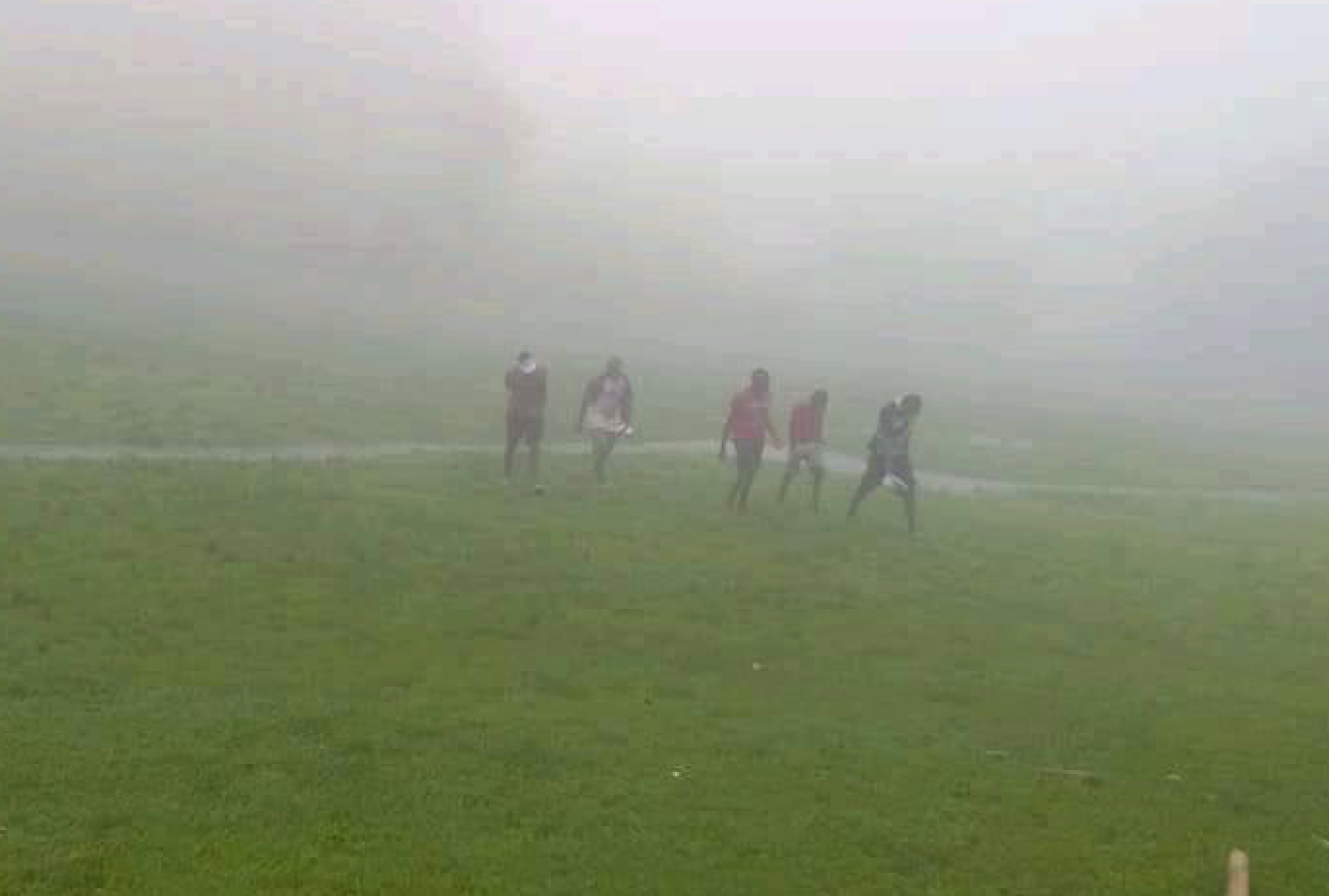
Through the #CoronaVirus #COVID19 Pandemic and Severe Tropical Cyclone Harold (Cat 4), #femLINKpacific’s rural convenors and correspondents, have been treading the various paths and teleworking as they reach out and interview the diverse network of rural women leaders who are part of femLINK’s network of Women’s Weather Watchers (WWW) in their own communities.
Fane Boseiwaqa, Losana Derenalagi, Agu Tuinasau, and Kinny Ceyaqalo spoke to our networks in some six localities and together with Frances Tawake, Rusila Lautiki and Sulueti Waqa are the frontline of femLINKpacific’s rural convenors and correspondents, that are based in the divisions documenting and amplifying the stories of diverse, rural women.
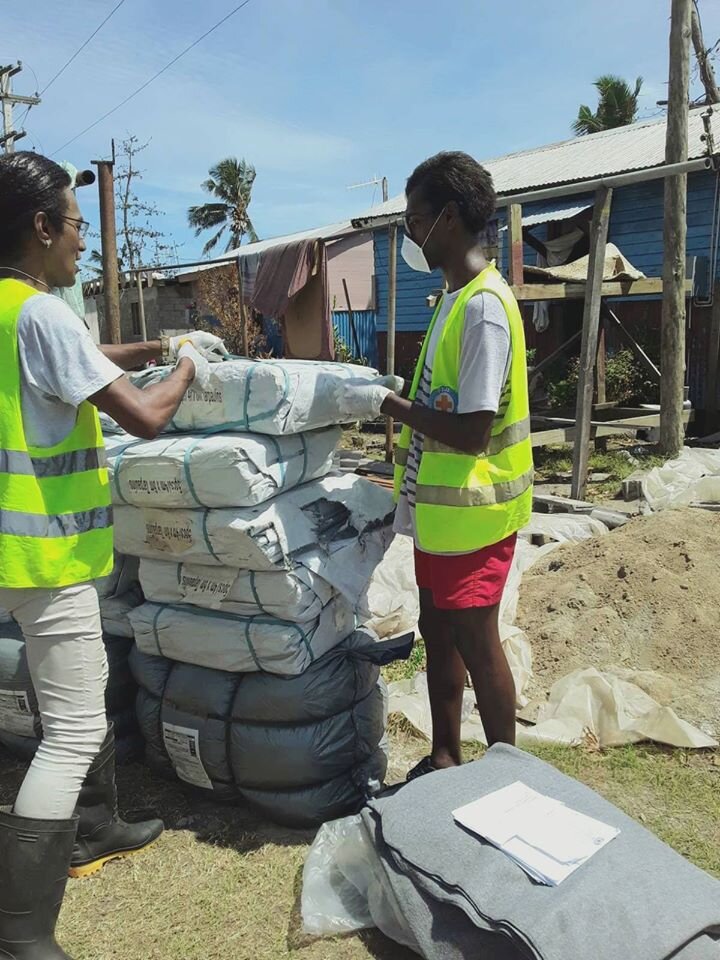
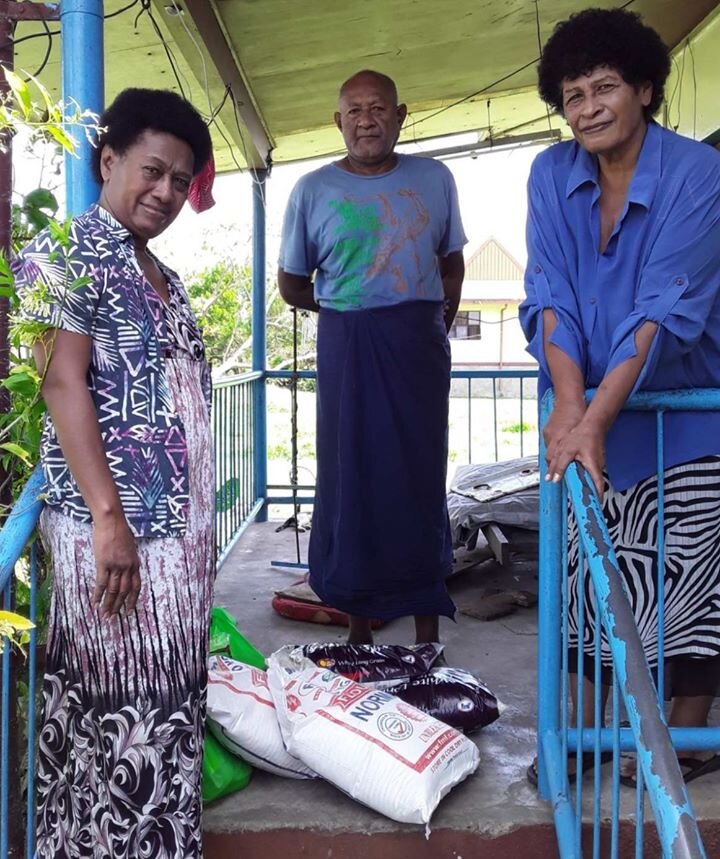
Agu Tuinasau, femLINKpacific’s Nadi/Lautoka Correspondent took time to wear another hat and join the Fiji Red Cross Society in distributing Non-Food Items (NFIs) to homes in Nasoata, Taiperia and Navutu, that were affected by storm surges during Tropical Cyclone Harold.
In an integrated approach during this cycolne season, Agu and her team also conducted community outreach on the #COVID19 Pandemic.
Also with the Fiji Red Cross, Fane Boseiwaqa, Convenor/Correspondent for the towns of Ba, Tavua and Rakiraki, this time wore her #femLINKpacific hat to interview Tavua rural women leader and President of the Tavua Red Cross Society, Rishita Devi.
A “Do No Harm” approach considering the possible effect of the pandemic on the communities and the volunteers is central to Devi’s work and her leadership.
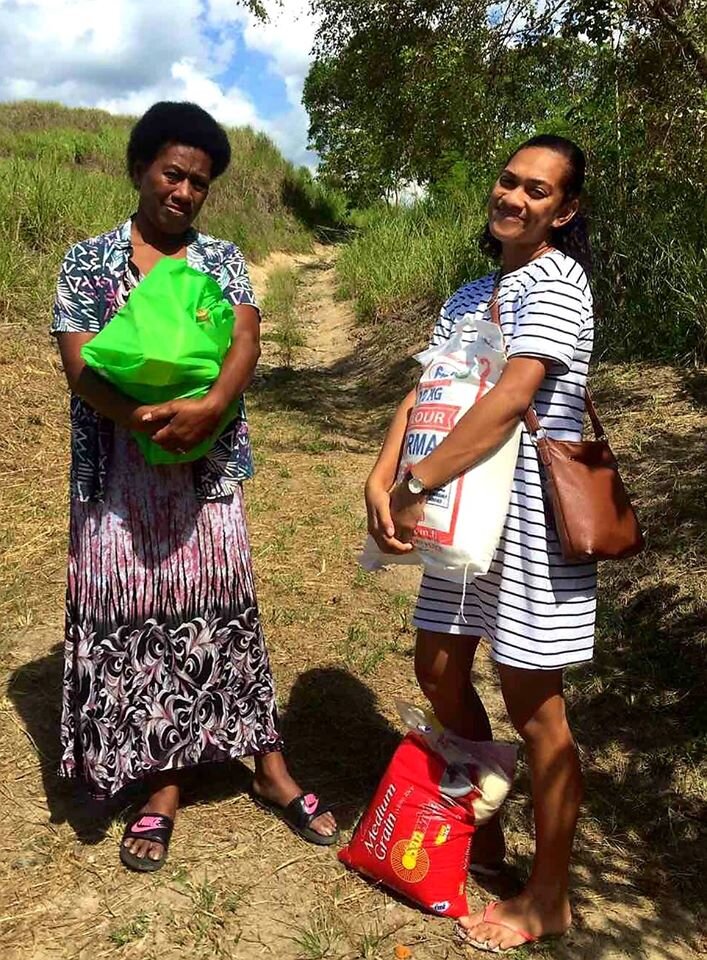
Also in the Western Division, Losana Derenalagi, femLINK’s Convenor for Lautoka/Nadi led a personal journey to to support women that have lost employment due to the closure of resorts in the touristy town of Nadi. Losana conducted outreach and took basic food items for network members in the Narewa and Nawaka Villages and then took the route of the Nausori Highlands to conduct the same.
The arrival of Severe Tropical Cyclone Harold (Cat 4) was a double whammy to these families of which unemployment was already affecting them from the closure of the 5-star hotels on Denarau- and then the arrival of Cyclone Harold which damaged and took away the crops that they relied upon to feed themselves.
“All the families here in Narewa work on Denarau. Now life is even more difficult. Even the breadfruit which was all matured, have now been taken by Cyclone Harold,” said Elenoa Gaunavou of Narewa in Nadi.
“The village men are also looking for empty land to plant cassava because we dont know how long this (Pandemic) will go on for.” said Elenoa.
Losana and her daughter than continued on their journey to families in the Nadi Highlands.
In the Northern Division, the town of Labasa has been a hive of activity with the announcement of COVID19 confirmed cases and the lockdown of two settlements namely Soasoa and Vunicagi.
#femLINKpacific broadcaster and President of the Northern Youth Disability Forum, Jay Nasilasila, who is also a member of the House of Colors, Labasa - an LGBTQI group, outlined the moments where she did not feel safe as panic buying occurred when the first reported confirmed case was announced and the stigma that she felt as she followed the social media commentary around this case. Jay is now safely in her home in Vunivau and has stocked up on water, medicine and groceries and is now teleworking with the other members of the Northern #femLINKpacific Team.
Shifting the Power in Emergency Response
As Pacific Island Governments work on a coordinated regional response to Covid-19, Tropical Cyclone Harold, which has already hit the Solomon Islands and bears down at category 5 level on Vanuatu, the region faces a stark reminder that climate related disasters remain a major security threat.
In the Solomon Islands, Shifting the Power Coalition national focal point, Lisa Horiwapu joined her community of West ‘Are’are constituency in Malaita Province in mourning the loss of the 27 lives swept overboard on the inter-island ferry MV Taimareho which set sail from Honiara late on Thursday night.
Horipwau says that food, shelter and personal items are needed for communities most affected by the cyclone: “As the repatriation continued, TC Harold came along and brought yet another disaster. Food security is already a worry for mothers in Honiara because of possible lock down if the country has a confirmed Covid-19 case. TC Harold caused heavy rains and more damage to food gardens.”
Information is vital for local communities says Horiwapu. This must be in local language, as well as accessible for people with disabilities and focus on reaching more remote communities.
In Vanuatu, Shifting the Power Coalition member, ActionAid Vanuatu has taken a leading role to ensure women are informed and prepared to respond to the twin threats of TC Harold and Covid-19.
"Through Women Wetem Weta (Women's Weather Watch), Ni-Vanuatu women have been able to alert communities to the risk of Covid-19. Now we are preparing our families and communities for the cyclone with the devastation caused by TC Pam fresh in our memories. We are concerned though as communication with some of islands is already down," said Flora Vano, Country Manager, ActionAid Vanuatu.
"Young women are particularly vulnerable at this moment. Many have already lost their daily wage through the closure of markets and food stalls as a result of Covid-19," said Sabrina Brown, CEO of Vanuatu Young Women for Change, also a member of the STP Coalition. “This cyclone will only make the situation worse with an urgent need for financial assistance and food relief for already desperate families.”
“This situation is unprecedented and is an opportunity for the Pacific humanitarian response to be innovative and inclusive,” says Shifting the Power Coalition Technical Adviser, Sharon Bhagwan Rolls, who is also the Pacific representative and Board Chair of the Global Partnership for the Prevention of Armed Conflict (GPPAC).
“Our network’s initial assessment, even before the onset of TC Harold had identified the need for bringing together peace, development and humanitarian agendas in line with the commitments of Pacific Forum Leaders to the Women, Peace and Security agenda, the Boe Declaration and the Framework for Resilient Development in the Pacific. This situation highlights how climate, health and economic crises are connecting and disproportionately impacting women's lives.”
The Shifting the Power Coalition brings together 13 women-led civil society organisations from six countries in the region with a focus on supporting women's leadership in preparing for and responding to humanitarian crises. StPC members are currently on the ground promoting awareness of Covid-19 and hygiene measures, and are now mobilising in affected countries to respond to TC Harold, which is expected to impact on four countries in the region over the coming week.
Mobile contacts:
Lisa Horiwapu +677 7469330
Flora Vano +678 5554369
Sabrina Brown +678 5223250
Sharon Bhagwan Rolls +6797497169

COVID19 Diary - In Search of Markets That Sell - Rakiraki and Tavua women market vendors
By Fane Boseiwaqa. Convenor and Correspondent, femLINKpacific
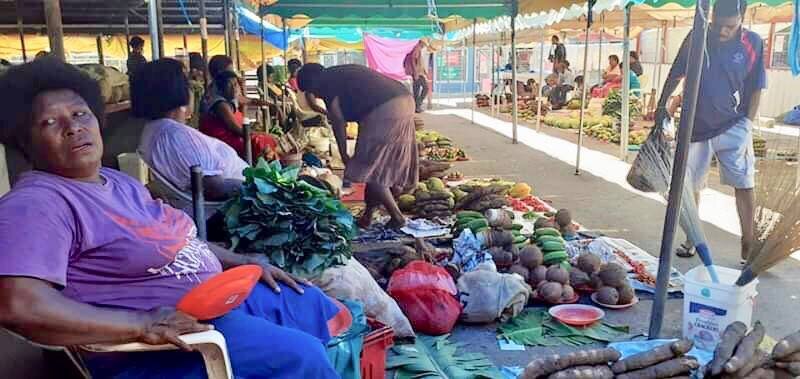
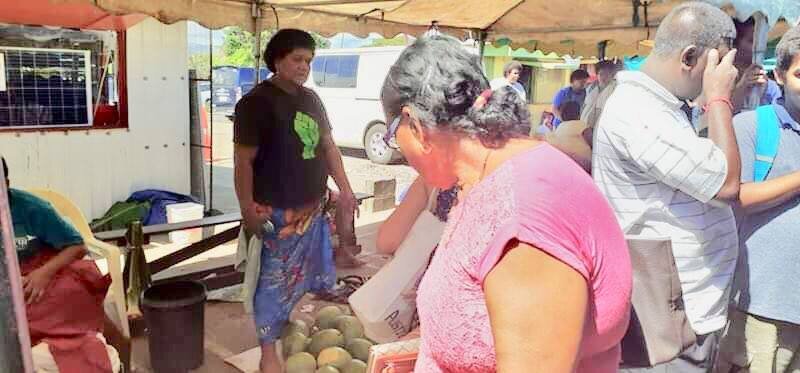
Its early Saturday (28/03/2020) morning in the Tavua Market and I managed to speak to some of the women market vendors, who are members of femLINKpacific’s Rural Women Leaders Community Media Network (RWLCMN). I first met Verenaisi Vuabau of Rakiraki who had arrived in Tavua to sell her vegetables.
“The reason is that we can make some sales here. In Rakiraki there are less people coming to buy, and many of the businesses have been closing since last Thursday," said Verenaisi.
" I plant most of the produce I sell. But trying to sell some produce at this time is quite difficult" added Vuabau
Also in the Tavua Market on Saturday was Unaisi Bakewa. Unaisi is a Tavua Market Vendor.
Unaisi spoke about the increasing difficulties of buying produce from the farmers due to the increasingly irregular bus service.
"We are finding it difficult to buy our produce from the farmers who usually get the produce to the vendors at the market as now there have been no bus services over the past few days for most of the rural communities in this area ,” said Unaisi.
"I usually buy most of the produce I sell here. It is quite expensive as well. Before I usually buy bhaigan for $20 a bag. Now it's $30- $50 bag.
Unaisi explained that the price increases in the market since COVID-19 have reached 100 per cent increases.
“Long bean is usually $12 a dozen. Now it's $24doz.” “Bhaji/Bhindi was $2 a kg. “Now its $5 a kilo. Ginger was $3kg. Now its $5 a kilo."
“We vendors are facing difficulties in buying our produce from the farmers due the increase in the price" added Bakewa.
Verenaisi Vuabau and Unaisi Bakewa are representatives of womens’ organisations that are part of femLINKpacific’s network called the Rural Women Leaders Community Media Network (RWLCMN).
Over 600 rural diverse women in Fiji are part of the network and have been convening on a monthly basis documenting and amplifying their human security issues in order to make transformative change.
The Fijian Government had on Thursday, 26/03/20 presented a supplementary budget in its COVID-19 response.
femLINKpacific also made a submission to the COVID-19 budget targetting rural communities which are defined as communities that struggle to access transportation, medical facilities and shopping centres, informal settlements and densely populated areas. The focused group being elderly persons, persons with pre-existing health conditions, persons living in poverty, persons living in disability and women.