Shifting the Power in Emergency Response
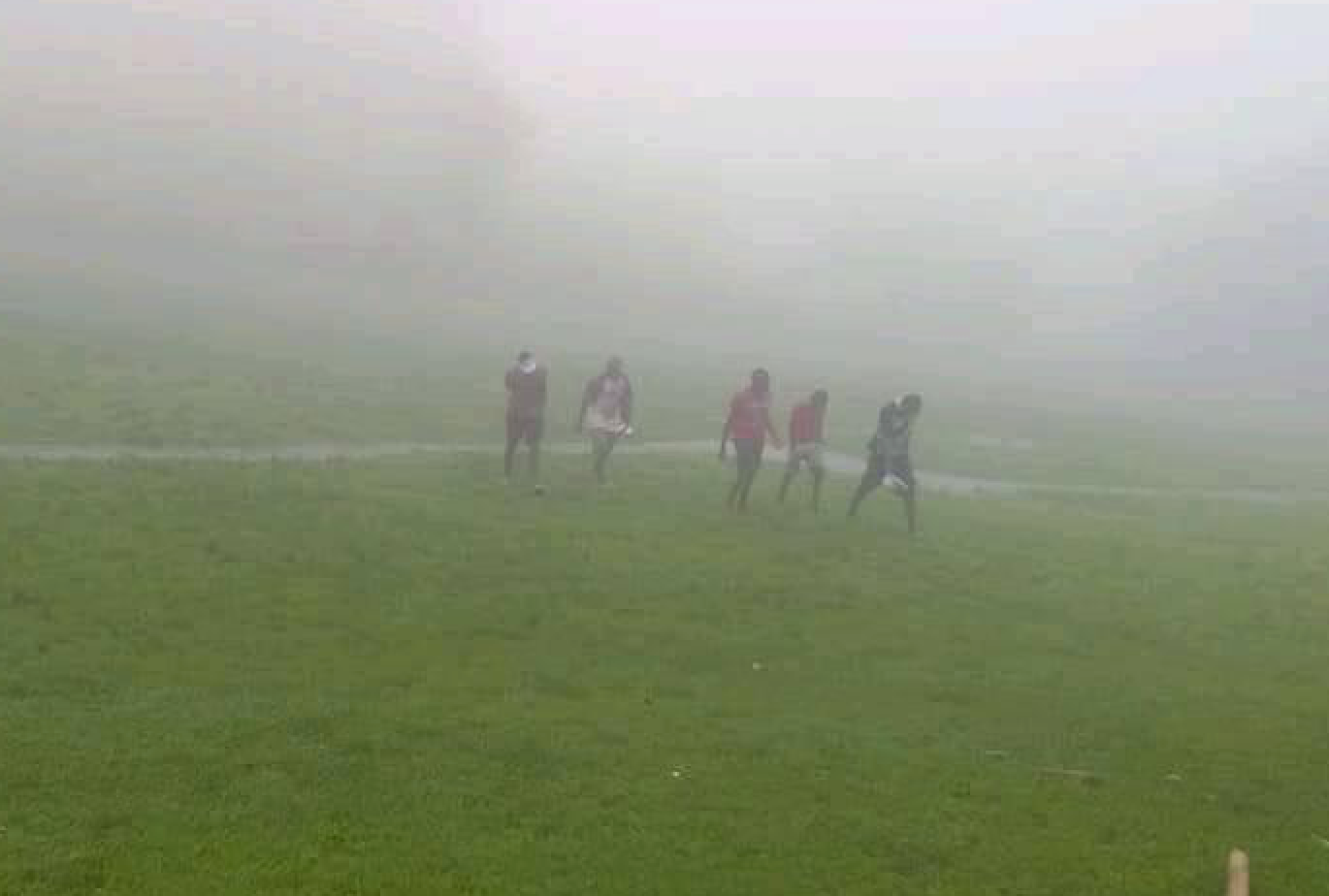
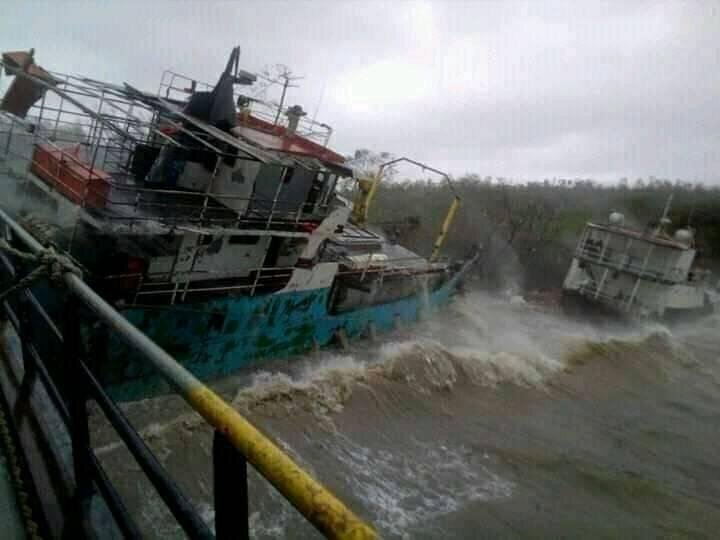
As Pacific Island Governments work on a coordinated regional response to Covid-19, Tropical Cyclone Harold, which has already hit the Solomon Islands and bears down at category 5 level on Vanuatu, the region faces a stark reminder that climate related disasters remain a major security threat.
In the Solomon Islands, Shifting the Power Coalition national focal point, Lisa Horiwapu joined her community of West ‘Are’are constituency in Malaita Province in mourning the loss of the 27 lives swept overboard on the inter-island ferry MV Taimareho which set sail from Honiara late on Thursday night.
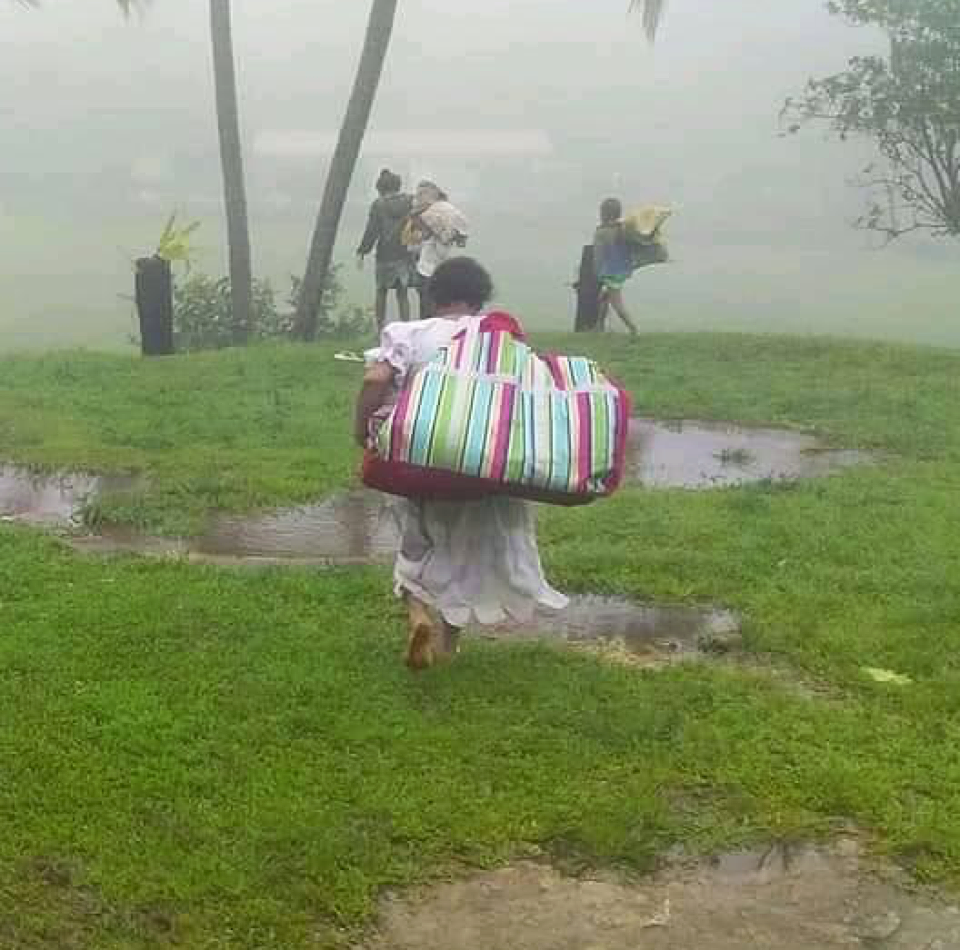
Horipwau says that food, shelter and personal items are needed for communities most affected by the cyclone: “As the repatriation continued, TC Harold came along and brought yet another disaster. Food security is already a worry for mothers in Honiara because of possible lock down if the country has a confirmed Covid-19 case. TC Harold caused heavy rains and more damage to food gardens.”
Information is vital for local communities says Horiwapu. This must be in local language, as well as accessible for people with disabilities and focus on reaching more remote communities.
In Vanuatu, Shifting the Power Coalition member, ActionAid Vanuatu has taken a leading role to ensure women are informed and prepared to respond to the twin threats of TC Harold and Covid-19.
"Through Women Wetem Weta (Women's Weather Watch), Ni-Vanuatu women have been able to alert communities to the risk of Covid-19. Now we are preparing our families and communities for the cyclone with the devastation caused by TC Pam fresh in our memories. We are concerned though as communication with some of islands is already down," said Flora Vano, Country Manager, ActionAid Vanuatu.
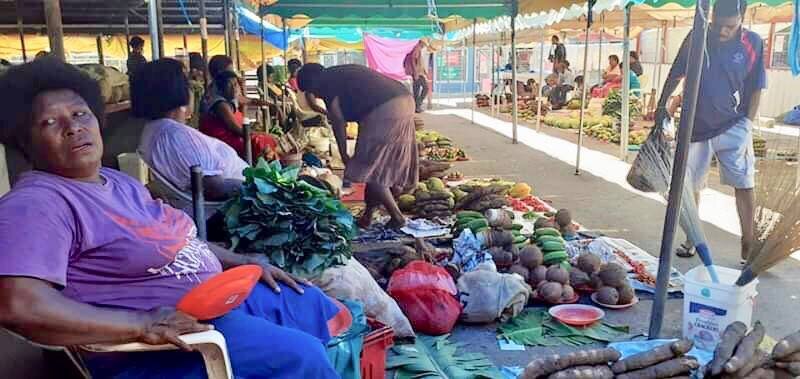
"Young women are particularly vulnerable at this moment. Many have already lost their daily wage through the closure of markets and food stalls as a result of Covid-19," said Sabrina Brown, CEO of Vanuatu Young Women for Change, also a member of the STP Coalition. “This cyclone will only make the situation worse with an urgent need for financial assistance and food relief for already desperate families.”
“This situation is unprecedented and is an opportunity for the Pacific humanitarian response to be innovative and inclusive,” says Shifting the Power Coalition Technical Adviser, Sharon Bhagwan Rolls, who is also the Pacific representative and Board Chair of the Global Partnership for the Prevention of Armed Conflict (GPPAC).
“Our network’s initial assessment, even before the onset of TC Harold had identified the need for bringing together peace, development and humanitarian agendas in line with the commitments of Pacific Forum Leaders to the Women, Peace and Security agenda, the Boe Declaration and the Framework for Resilient Development in the Pacific. This situation highlights how climate, health and economic crises are connecting and disproportionately impacting women's lives.”
The Shifting the Power Coalition brings together 13 women-led civil society organisations from six countries in the region with a focus on supporting women's leadership in preparing for and responding to humanitarian crises. StPC members are currently on the ground promoting awareness of Covid-19 and hygiene measures, and are now mobilising in affected countries to respond to TC Harold, which is expected to impact on four countries in the region over the coming week.
Mobile contacts:
Lisa Horiwapu +677 7469330
Flora Vano +678 5554369
Sabrina Brown +678 5223250
Sharon Bhagwan Rolls +6797497169

COVID19 Diary - In Search of Markets That Sell - Rakiraki and Tavua women market vendors
By Fane Boseiwaqa. Convenor and Correspondent, femLINKpacific
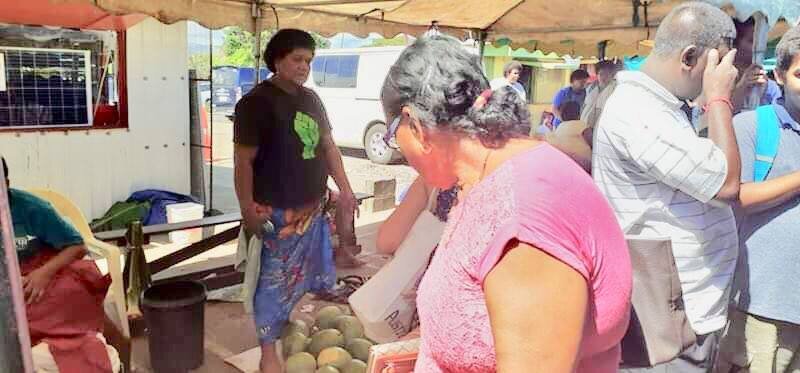
Its early Saturday (28/03/2020) morning in the Tavua Market and I managed to speak to some of the women market vendors, who are members of femLINKpacific’s Rural Women Leaders Community Media Network (RWLCMN). I first met Verenaisi Vuabau of Rakiraki who had arrived in Tavua to sell her vegetables.
“The reason is that we can make some sales here. In Rakiraki there are less people coming to buy, and many of the businesses have been closing since last Thursday," said Verenaisi.
" I plant most of the produce I sell. But trying to sell some produce at this time is quite difficult" added Vuabau
Also in the Tavua Market on Saturday was Unaisi Bakewa. Unaisi is a Tavua Market Vendor.
Unaisi spoke about the increasing difficulties of buying produce from the farmers due to the increasingly irregular bus service.
"We are finding it difficult to buy our produce from the farmers who usually get the produce to the vendors at the market as now there have been no bus services over the past few days for most of the rural communities in this area ,” said Unaisi.
"I usually buy most of the produce I sell here. It is quite expensive as well. Before I usually buy bhaigan for $20 a bag. Now it's $30- $50 bag.
Unaisi explained that the price increases in the market since COVID-19 have reached 100 per cent increases.
“Long bean is usually $12 a dozen. Now it's $24doz.” “Bhaji/Bhindi was $2 a kg. “Now its $5 a kilo. Ginger was $3kg. Now its $5 a kilo."
“We vendors are facing difficulties in buying our produce from the farmers due the increase in the price" added Bakewa.
Verenaisi Vuabau and Unaisi Bakewa are representatives of womens’ organisations that are part of femLINKpacific’s network called the Rural Women Leaders Community Media Network (RWLCMN).
Over 600 rural diverse women in Fiji are part of the network and have been convening on a monthly basis documenting and amplifying their human security issues in order to make transformative change.
The Fijian Government had on Thursday, 26/03/20 presented a supplementary budget in its COVID-19 response.
femLINKpacific also made a submission to the COVID-19 budget targetting rural communities which are defined as communities that struggle to access transportation, medical facilities and shopping centres, informal settlements and densely populated areas. The focused group being elderly persons, persons with pre-existing health conditions, persons living in poverty, persons living in disability and women.